The organisational culture we foster is built on cooperation, openness to diversity and attitudes aligned with the values updated in 2025: PROSTO (STRAIGHTFORWARDLY), RAZEM (TOGETHER), ODWAŻNIE (BOLDLY) and ODPOWIEDZIALNIE (RESPONSIBLY), joined by Z DETERMINACJĄ (WITH DETERMINATION), OTWARCIE (OPENLY) and UCZCIWIE (HONESTLY). We are building a place where leaders inspire, employees have genuine influence, and the organisation responds flexibly to change.
Procedures for engaging with own workforce and employee representatives on impacts ESRS [S1-2]
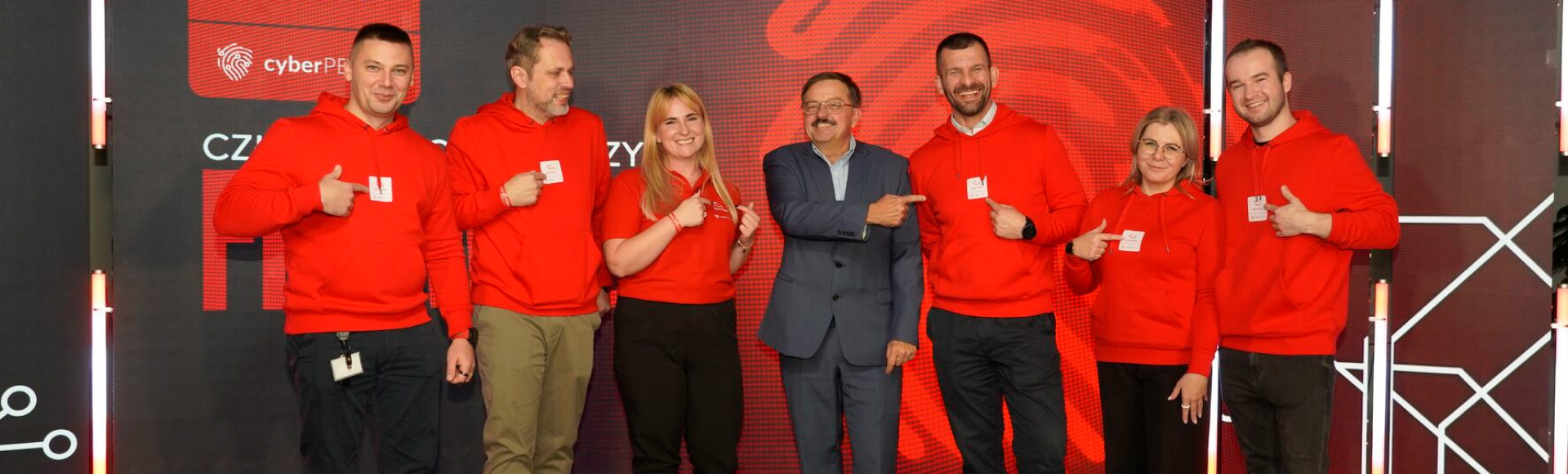

To strengthen a culture of dialogue and build an environment grounded in mutual trust, we focus on initiatives that help us better understand the needs and expectations of our employees. Accordingly:
1. In Q4 2025, we prepared to conduct the Organisational Health Survey, which started on 13 January 2026 and will run until 5 February 2026. It covers all Bank employees (employed under employment contracts).
- overall organisational health, i.e. the organisation’s ability to deliver its objectives and vision;
- nine health elements indicating whether actions taken in the organisation deliver the intended outcomes and reflecting how employees perceive organisational effectiveness in key areas;
- several dozen managerial practices, i.e. behaviours that “drive” the health elements;
- ten dimensions of employees’ individual experience, indicating how management practices affect their energy and productivity;
- psychophysical condition across two dimensions: holistic health and burnout.
2. We take care of health:
Based on the results of the 2024 Employee Engagement and Satisfaction Survey and the Psychophysical Condition Survey, and the conclusions drawn from them, our organisational culture activities in 2025 also focused on mental health.
- For all Bank employees: the Razem w dobrostanie (Together in wellbeing) programme, under which we delivered a series of psychoeducation and prevention initiatives on mental health and resilience. The aim is to strengthen employees’ wellbeing and effectiveness and support healthy functioning in the workplace environment.
- As part of the programme, we held psychoeducation webinars on:
- Mental health and its pillars. How to take care of inner balance and build resources for wellbeing?
- How not to lose yourself at work. Stress, burnout and inner balance.
- Neurodiversity. How to harness the potential of working in a neurodiverse team?
- Pause. How to break the spiral of fatigue and declining energy?
- We also delivered an educational series Neuromoc (Neuropower) – support for the nervous system (microlearning).
- For HR Business Partners (HRBPs) and Leaders: the Notice. Respond. Support. Mental Health Navigator programme – a series of workshops focused on developing leaders’ and teams’ competencies. The aim was to equip participants with professional intervention tools and develop their ability to recognise and respond to workplace mental health crises. During the workshops, participants learned response scenarios for fifteen of the most common mental health risks at work.
- This programme addressed current needs in the areas of social fairness and employees’ health and safety. Delivering this initiative supported our efforts to build lasting organisational capability in managing employee wellbeing.
- Almost 1,200 participants attended the kick-off meetings for Mental Health Navigator and eight workshop sessions (“Face to Face” and “Eyes Wide Open”) held in Q2 and Q3 2025.
3. We delivered additional initiatives supporting a culture of dialogue with employees:
- Values in dialogue with employees communication campaign – a key educational initiative that helped bring the Bank’s values closer to employees in a more direct way, based on concrete examples. The campaign also included employee activation elements by inviting them to take part in quizzes
- Town hall (26 May 2025) – an event in the form of open communication with employees about key aspects of organisational life, including its values, attended by members of the Management Board and employees onsite and online. We ensured two-way communication (questions from the audience and an active power chat for remote participants).
- Rodzina na bank (Family, you can bank on it) initiative – events for employees and their children organised on the occasion of Family Day and Children’s Day. In 2025, we expanded the initiative to multiple locations: three main events in Warsaw, Gdańsk and Kraków, and local events in nearly 50 Bank branches across Poland. After the events, employees could share feedback via a dedicated survey.
- Prosto po imieniu (Say it by Name) campaign – promoting direct and open communication and encouraging employees to practise it day to day. Members of the Management Board and volunteering Bank employees took part.
- An additional competition focused on values at the summer Pekao Cup 2025, as an example of employee dialogue during company events.
- conduct the Organisational Health Index (OHI) survey – the survey focuses on aspects of organisational culture and health and delivers an overall assessment of the organisation’s ability to implement its strategy effectively. This assessment is based on employees’ experiences – their feedback makes it possible to identify strengths and areas for improvement in the health elements and key management practices. The survey includes a module on individual employee experiences. Within that module, the eNPS indicator serves as a proxy measure o
- run another edition of the Children’s Day and Family Day event – based on the conclusions from the surveys carried out after the events held in 2025 and in line with employees’ expectations, we want to again organise meetings in multiple locations, with the involvement of our branches across the country;
- organise an event dedicated to promoting our values (as a continuation of the process of embedding them) and to building customer experience – a full-day event for all Bank employees (registration required), during which we will invite active participation in lectures, presentations and workshops delivered by external guests and the Bank’s experts;
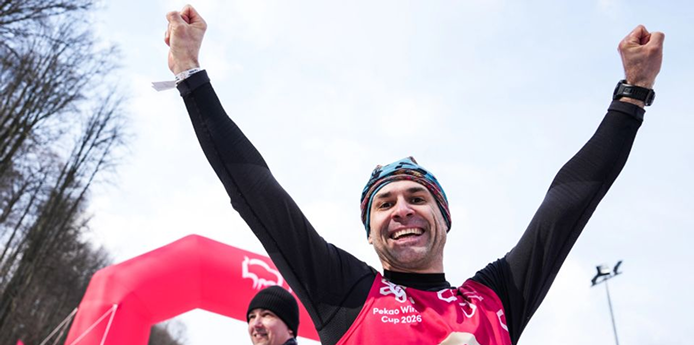
- promote our values at sporting events (Pekao Cup 2026) – we know from the survey conducted after the summer competitions in 2025 that the formula of promoting values through a specially designed competition was received very positively by participants;
- run competitions in the form of challenges on the Bank’s internal platform – recognising employees and teams who, through specific actions, delivered projects and initiatives, exemplify attitudes consistent with the Bank’s values;
- organise a series of managers’ meetings with their teams, during which they will address the topic of values and how to translate specific behaviours and attitudes into day-to-day work.
The Bank’s cooperation with trade unions is described in the chapter Policies related to own workforce resources of this Report. The person operationally responsible for ensuring that this cooperation takes place and that its outcomes influence the Bank’s approach is the Director of the Head Office HR Business Partners and Employee Relations Office. The effectiveness of cooperation with trade union organisations is assessed by: agreements signed with trade union organisations in the area of bargaining and negotiations arising from generally applicable labour law as well as internal labour law, and the absence of collective disputes referred to in the Act of 23 May 1991 on the Resolution of Collective Disputes with representative organisations in the Bank.